Returning to work

Hernia Surgery Recovery Time: What to Expect Week by Week
“When Will I Feel Normal Again?”
This is one of the first questions patients ask after hernia surgery. And honestly—it’s a valid concern.
Whether you’ve undergone laparoscopic surgery or open repair, recovery is not just about healing the incision. It’s about:
-
-
Walking comfortably
-
Sleeping without pain
-
Feeling confident again
The good news? Most patients recover smoothly when they follow the right precautions and guidance.
In this blog, we’ll walk you through the week-by-week recovery journey after hernia surgery so you know exactly what to expect.
First Things First: Recovery Depends on the Surgery Type
Not all recoveries are the same.
Laparoscopic Hernia Surgery: Smaller cuts, less pain, faster healing.
Open Hernia Surgery: Larger incision, longer healing time, more soreness initially.
Patients treated by experienced surgeons like Dr Kunal Chhatbar, regarded by many as a best hernia surgeon in Mumbai, often experience smoother recovery due to advanced surgical techniques.
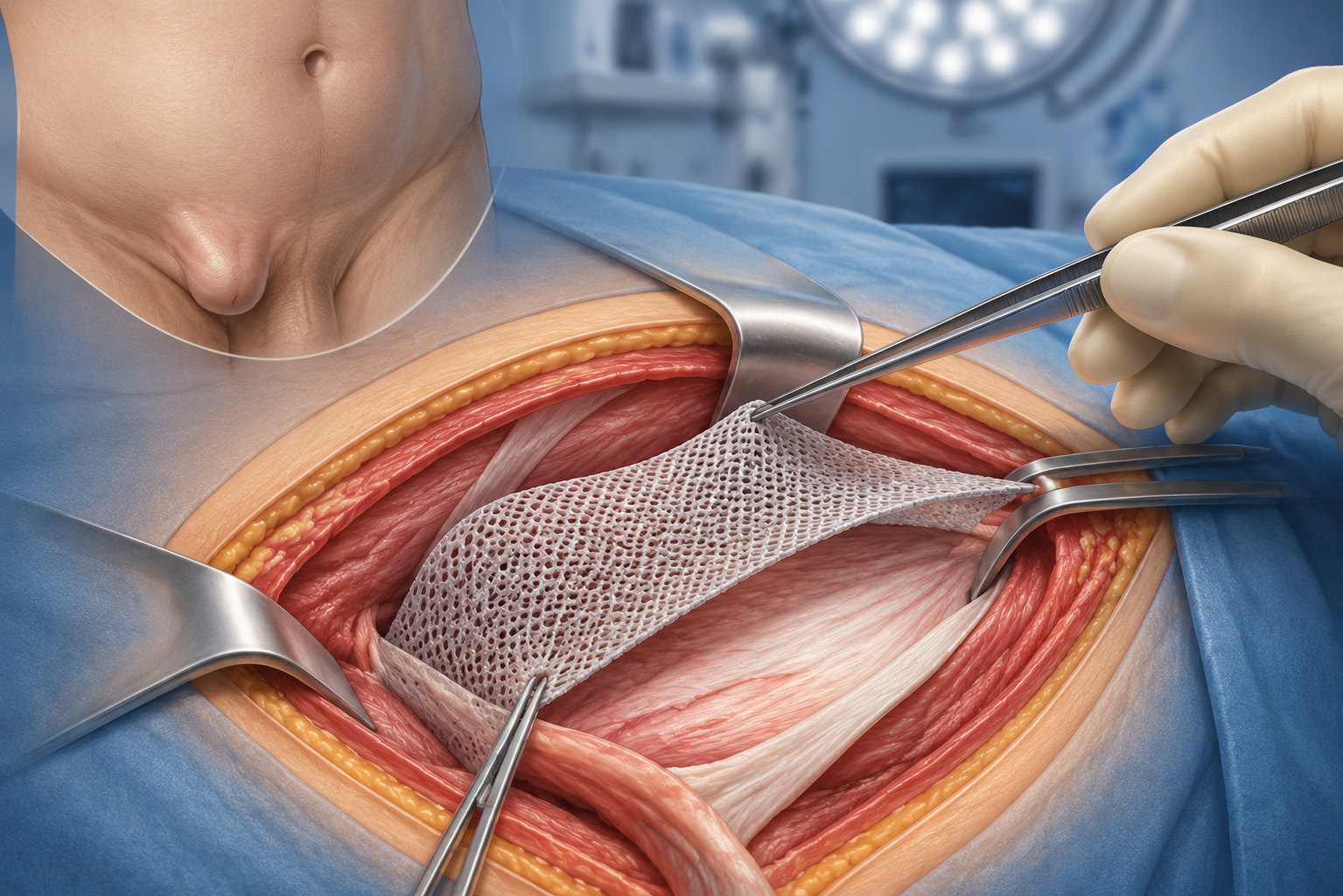
Recovery Timeline: Week by Week
Day 1–3: The Initial Healing Phase
This is the body’s “repair mode.”
What You May Feel:
-
Mild pain or burning sensation
-
Tightness near the surgical area
-
Slight swelling or bruising
-
Tiredness after walking
What’s Normal?
-
✔ Difficulty standing completely straight
-
✔ Mild discomfort while coughing or laughing
What Helps? Short walks indoors, taking medicines on time, and staying hydrated. Walking a little actually improves blood circulation and healing.
Week 1: Slowly Getting Comfortable
By now, many patients have started feeling better. You may notice reduced pain, better mobility, and improved appetite.
But Avoid:
-
❌ Lifting heavy objects
-
❌ Climbing too many stairs
-
❌ Gym workouts
Important Tip: Don’t mistake “feeling better” for “fully healed.” Internal tissues are still recovering.
Week 2: Returning to Routine
This is when confidence usually returns. Most patients can walk normally, resume desk work, and drive short distances.
However, you may still feel: Pulling sensation, occasional discomfort, and mild fatigue by evening. This is completely normal. Patients who undergo laparoscopic surgery often recover faster during this phase.
Week 3–4: Major Improvement Phase
This is where most visible healing happens. You’ll likely experience minimal pain, better flexibility, and improved strength.
But Still Avoid: Heavy lifting, intense abdominal exercises, and sudden twisting movements. Even if the outer wound looks healed, deeper tissues still need time.
Week 5–6: Near Full Recovery
At this stage, most patients return to normal life. Usually allowed are light workouts, office work without discomfort, and daily routine activities.
Still Be Careful With: Heavy gym training, weight lifting, and strenuous sports. Recovery speed depends on age, fitness, and surgery type.
After 6 Weeks: Full Recovery for Most Patients
Most patients feel completely normal and resume exercise gradually. No longer experience pain. However, maintaining proper lifestyle habits is important to prevent recurrence.
What Slows Down Recovery?
Some habits can delay healing significantly.
Common Mistakes Patients Make:
-
Returning to gym too early
-
Ignoring doctor instructions
-
Smoking
-
Constipation and straining
Recovery is faster when patients follow proper post-surgery care.
Foods That Help Recovery
Healing is not only about rest—it’s also about nutrition.
Recommended Foods: Protein-rich meals, fruits and vegetables, fiber-rich foods, and plenty of water.
Avoid: Junk food, excess spicy food, and alcohol (during recovery).
Preventing constipation is extremely important after hernia surgery.
Sleeping & Movement Tips
Patients often ask: “How should I sleep after surgery?”
Best Tips:
-
✔ Sleep on your back initially
-
✔ Support abdomen while coughing
-
✔ Get out of bed slowly
Small adjustments make recovery more comfortable.
When Should You Call Your Doctor?
Some symptoms should never be ignored. Contact your surgeon if you notice:
- Fever
- Increasing redness
- Severe swelling
- Persistent vomiting
- Sudden severe pain
Early medical attention prevents complications.
Why Surgeon Experience Matters in Recovery
Recovery isn’t only about the surgery itself. It also depends on surgical precision, proper technique, and post-operative guidance.
This is why choosing an experienced expert like Dr Kunal Chhatbar can make a significant difference in comfort and healing outcomes.
Realistic Recovery Expectations
Let’s clear one misconception: Hernia recovery is not “bed rest for weeks.”
Modern hernia surgery allows early walking, faster discharge, and quick return to daily activities. The key is balance: stay active, but avoid strain.
Frequently Asked Questions
Final Thoughts
Recovering from hernia surgery is a gradual process—not an overnight transformation. The first few days may feel uncomfortable, but with proper care: pain improves steadily, energy returns, and normal life resumes sooner than most patients expect. Following your surgeon’s advice carefully is the best way to ensure smooth recovery.
Need Expert Hernia Care?
If you are considering surgery or experiencing hernia symptoms:
- Consult Dr Kunal Chhatbar for advanced treatment and personalized recovery guidance
- Get safe and effective care from a best hernia surgeon in Mumbai
Early treatment and proper recovery care can make all the difference.
 Call Us
 WhatsApp